What began as a small etiquette class for young girls inside a church fellowship hall has grown into a nonprofit organization committed to expanding access to higher education. Building Strong Futures equips teenagers with confidence, exposure and tangible tools to see college not as a distant idea but as an attainable goal.
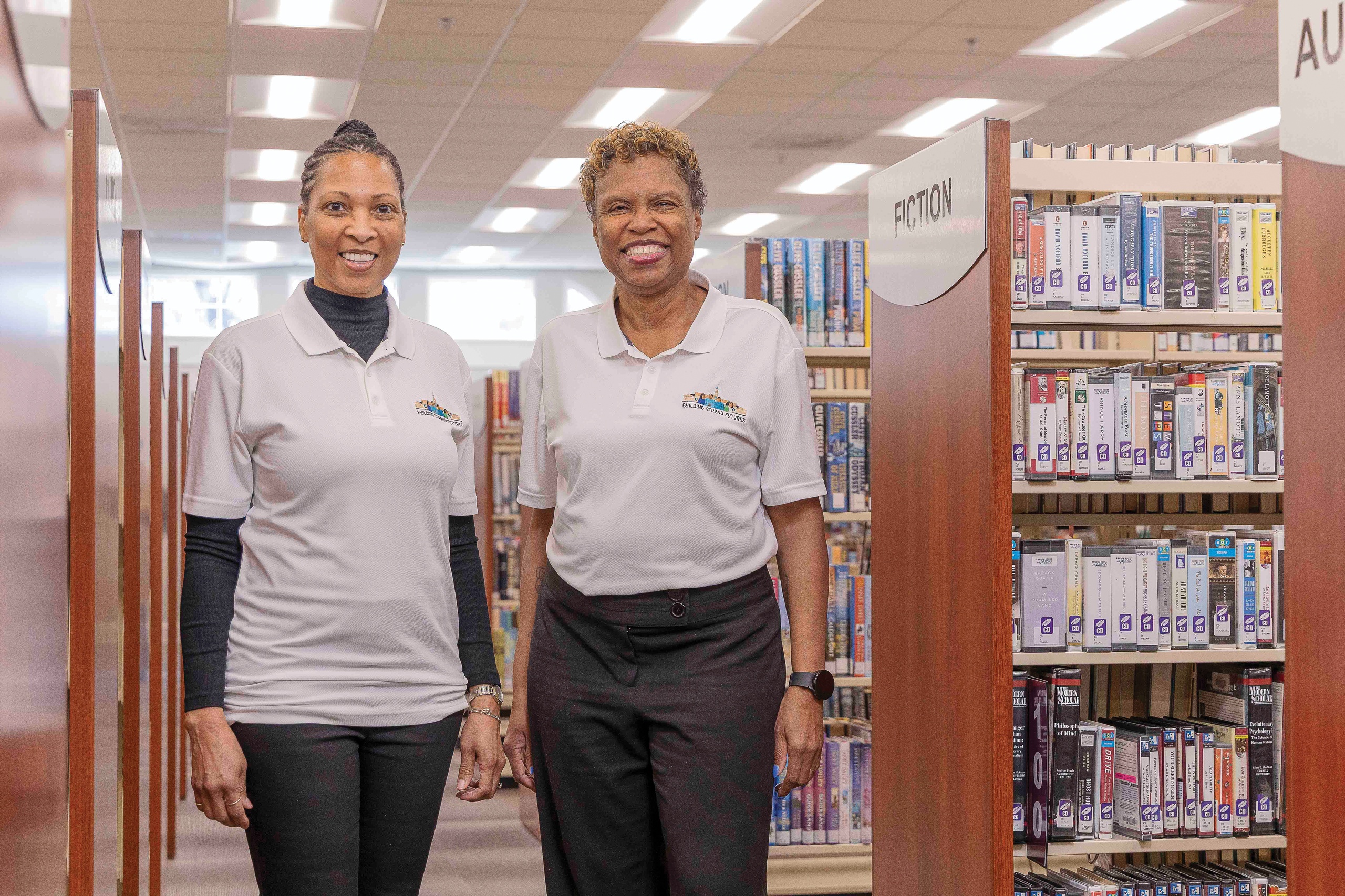
Founders Michelle Norrington and Monica Banks met through church, where both were active in ministry and the dance team. As their daughters grew up, they noticed a gap in social opportunities designed to empower young girls with the confidence and skills to successfully navigate academic and professional spaces. Norrington, originally from Chicago, had grown up attending etiquette classes and cotillions. After relocating to Georgia, she realized those same experiences were far less accessible.
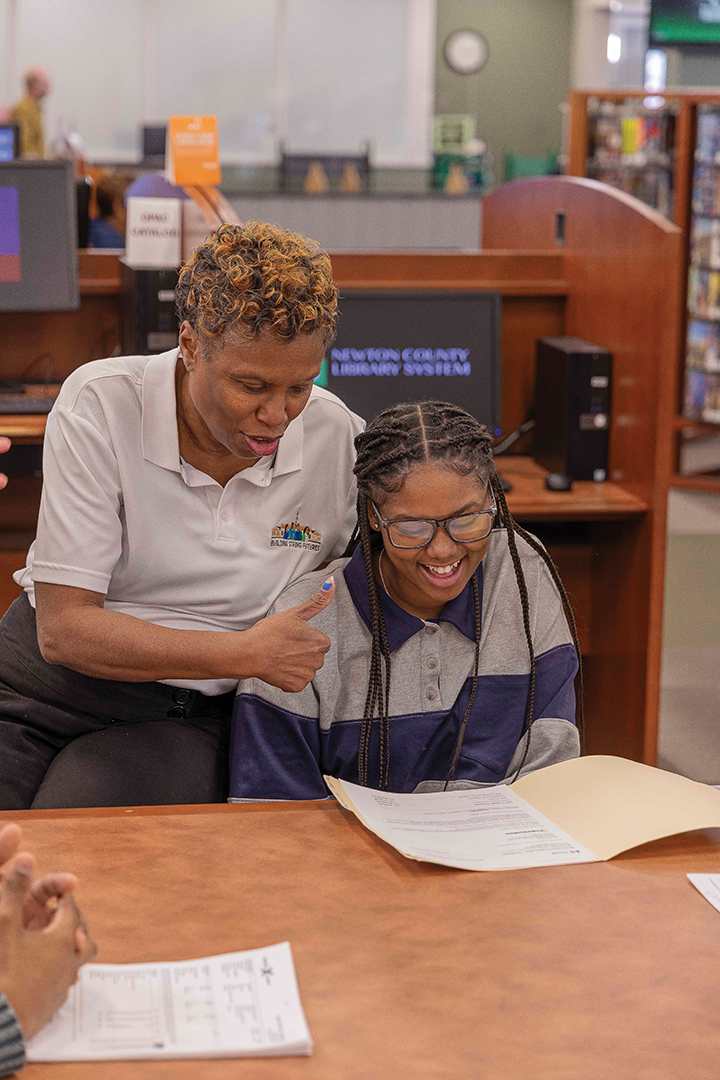
“We wanted our girls to know how to go out into society,” Norrington said. “We wanted to make them better people so they could be ready to handle the world.”
Norrington and Banks began hosting etiquette classes for young girls under the name Building Strong Women in 2002. The program culminated in a gathering to celebrate the participants and a small dinner where the girls dressed up and practiced what they had learned. Interest quickly grew beyond their congregation, with families eventually inquiring about opportunities for young men, as well. The program formalized as a 501(c)(3) nonprofit in 2007, and nearly a decade later, community interest and an evolving vision prompted a pivot. Norrington and Banks were thinking beyond etiquette and cotillions. Instead, they started doing annual college tours. In 2016, the organization was rebranded as Building Strong Futures.
"We don’t want this to end with us." — Michelle Norrington
Each tour is intentionally curated. Students visit at least two Historically Black Colleges and Universities and two Predominantly White Institutions, ensuring exposure to diverse academic and cultural environments. Rather than focusing on local metro Atlanta schools, the organization prioritizes regional and out-of-state campuses to broaden students’ sense of possibility. The inaugural tour included Duke University, North Carolina A&T University, the University of Tennessee-Knoxville and Fisk University. Subsequent tours traveled to Florida, Louisiana and Washington, D.C.
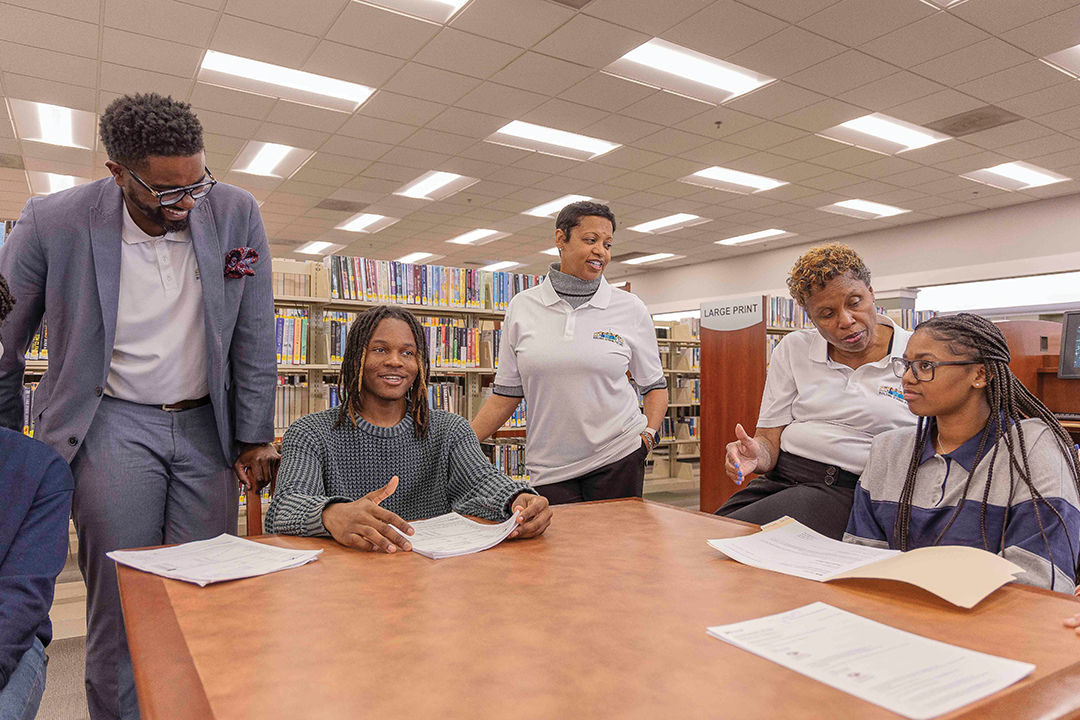
There was a brief pause to the tours due to the coronavirus pandemic, but they resumed in 2022 with a transformative trip to New York. It included 36 students—the largest group with which they had ever traveled. Many were flying for the first time. Many had never visited New York. For some, it provided the opportunity to see their first Broadway show. They navigated public transportation, explored Central Park, visited Ground Zero, toured campuses and moved through one of the world’s busiest cities with growing independence.
“By the time they left, they could catch a train like the best of them,” Norrington said. “They were like New Yorkers.” It was an invaluable experience. “For many students,” board member Nwaka Hughes said, “this was an opportunity they may not have had before.”
Hughes and other board members emphasized that many families face economic or time constraints that make it difficult to take students to visit colleges. The 2022 New York tour cost families just $249 per student. This fee covered airfare, lodging, meals, transportation and programming. Today, even accounting for inflation, the cost is capped at $449, with the remaining expenses subsidized through fundraising efforts that include an annual gala, golf tournament, community sponsorships and donor-supported scholarships.
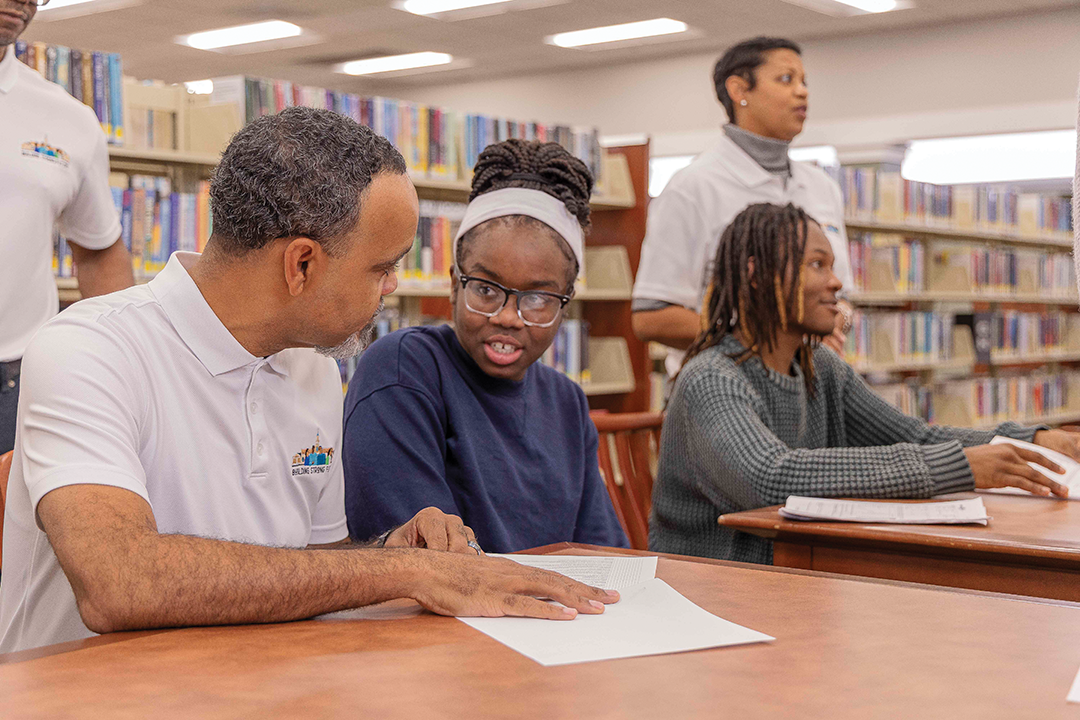
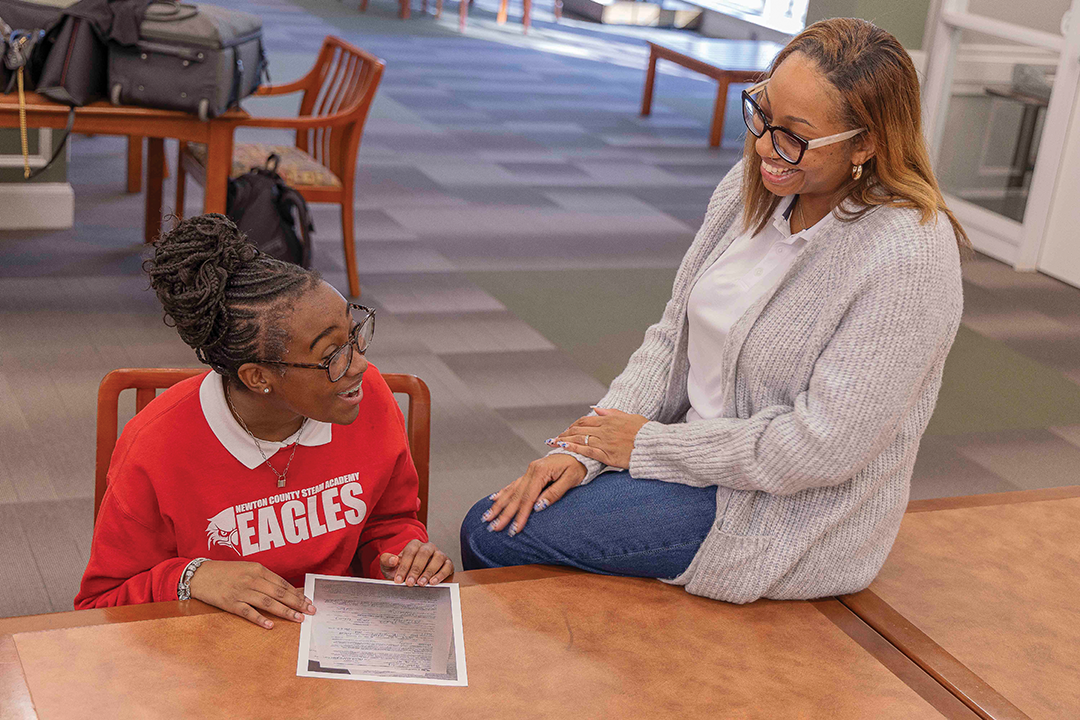
“It’s one of the reasons we also fundraise as much as we do and as hard as we do,” Norrington said. “Because the more money we raise, [the more] we’re able to keep costs down.” When families cannot afford the fee, donors step in. “People who know us,” she added, “they are more than willing to [serve as a] sponsor when somebody can’t pay for it.”
Lasting relationships are often built in the process.
“When the tour is over,” Banks said, “typically the students connect and look forward to coming back together, and we love that.”
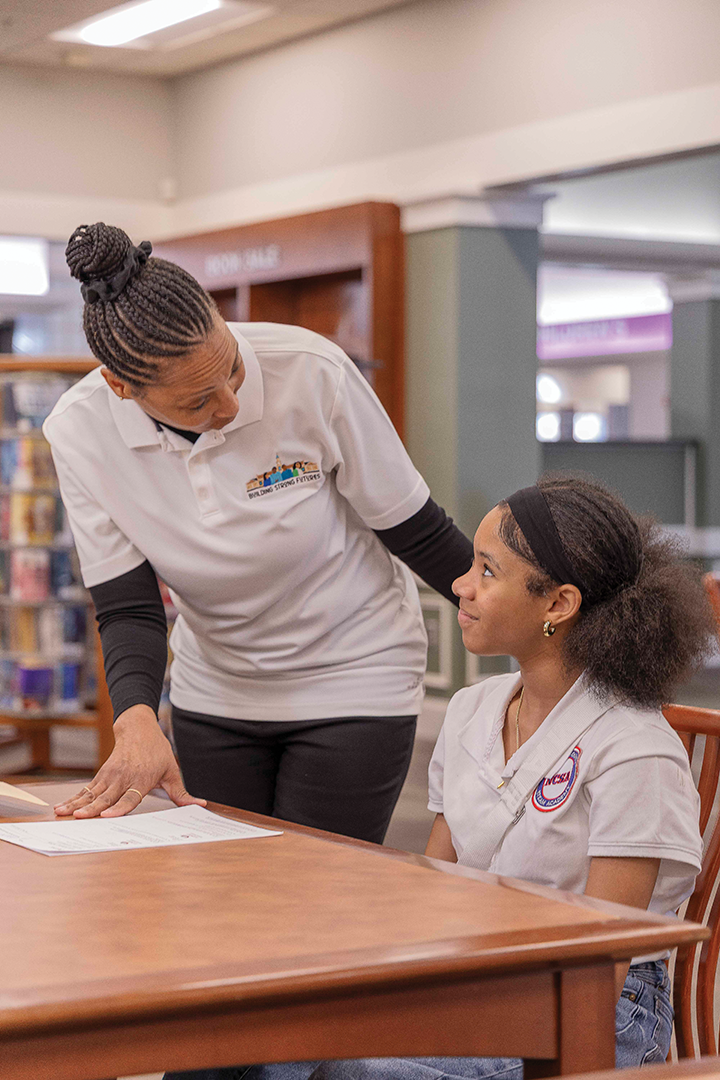
Building Strong Futures serves rising ninth through 12th graders. Students apply through a parent or guardian and may participate in multiple tours, with returning students receiving early registration access. Tours consistently cap at 36 participants. In addition to the tours, the organization hosts a pre-tour career workshop to teach students essential financial skills, helping them prepare for navigating a college environment. For many students, higher education exists only as an idea. Building Strong Futures changes that reality by placing students directly on campuses. The participants walk the quads, sit in admission informational sessions and have the opportunity to imagine themselves there.
Behind the scenes, Norrington and Banks’ complementary leadership styles continue to move the organization forward, supported by a deeply engaged, community-driven board. Banks leads with creative vision and innovation, while Norrington provides operations and logistics. Together, they hold one another accountable to the greater mission that first inspired the nonprofit’s founding, ensuring that every initiative will be for the greater good of the students with which they work.
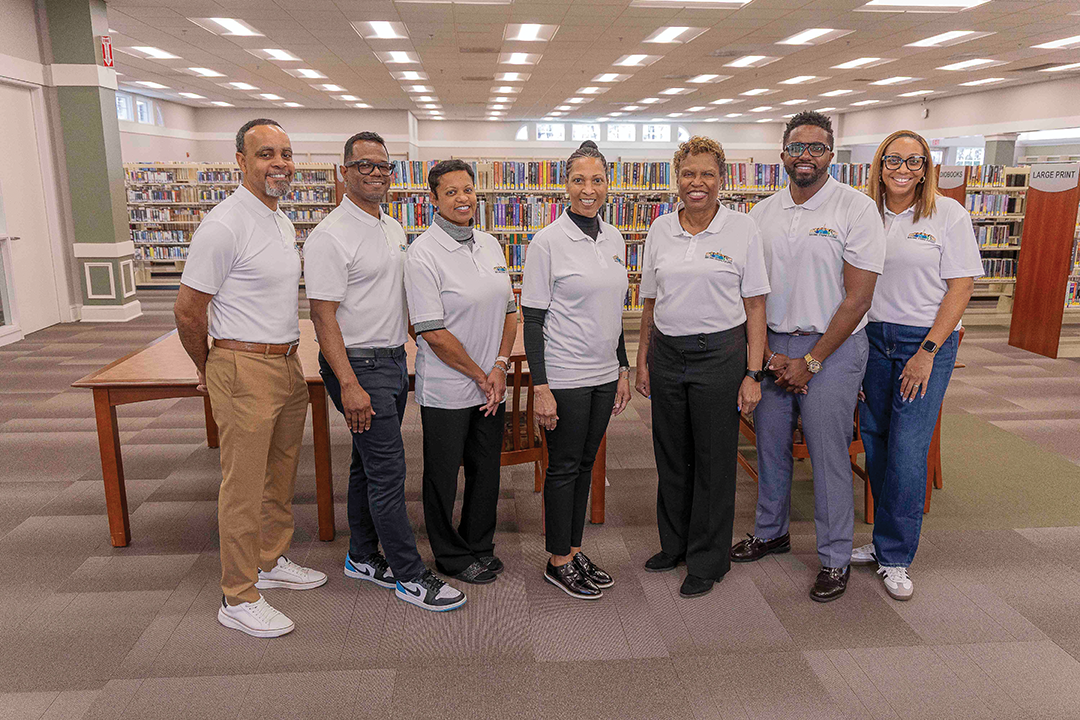
Looking ahead, Norrington and Banks want to pass down the knowledge and passion for what they do to the future leaders of Building Strong Futures.
“We don’t want this to end with us,” Norrington said. “In 2060, students should still be going on college tours with Building Strong Futures, and it should feel automatic.” Banks agrees. “I think it’s time for a new generation who understands and can speak to this younger generation,” she said. “I still want to be in the shadows to help, but I plan on passing the torch.”
For information on Building Strong Futures, visit buildingstrongfutures.org.