Tim and Sheri Benton decided to start a family in 1996. Conception did not come as easily as it does for many, so Sheri's doctor gave her a low dose of Clomid—a first-step fertility drug with a low chance of conceiving multiples. "The doctor said I had a 10% chance of having twins," she said. The medication worked, and late in the year, the Bentons were thrilled to learn they were expecting. Sheri's due date was Aug. 5, 1997.
The first ultrasound showed one healthy embryo in development. Much to their surprise, a subsequent examination revealed two healthy babies growing inside Sheri's womb. Then, against all odds, the next ultrasound revealed three tiny babies were on the way. "At that point, I said, 'No more ultrasounds,'" Tim recalled with a laugh. The Bentons were grateful for the unexpected blessing of triplets and delighted to learn that all three babies were girls. Sheri's first trimester progressed well. She was healthy enough to continue working as a dental hygienist and to receive prenatal care from her regular obstetrician. However, all of that changed when she went for a routine checkup at 19 weeks. Sheri's ultrasound revealed that her cervix had started to open.
Usually, the cervix—the opening between the uterus and the birth canal—remains tightly closed until a woman goes into labor. In some cases, particularly when the mother is carrying more than one baby, it begins dilating too soon. In the best-case scenario, the doctor can perform a cerclage to stitch the cervix closed. In the worst case, the cervix continues opening, and the uterus expels the babies. If they are not old enough to survive outside the womb, the pregnancy is lost.
"The Lord was the only thing that got us through." — Sheri Benton
"The nurse told me that I was six centimeters dilated," Sheri said. "She said, 'Do not get off that bed. You are going straight to the hospital.' They tilted the head of the bed down to help keep the babies inside me, and that's how I rode over to the hospital." Under the care of a perinatologist, her cervix was stitched shut, and she was placed on bed rest. "At 21 weeks, the cerclage broke," Sheri said. "They had to do another one. Then that one also broke, and they did a third cerclage. At 23 weeks, Megan was coming. We couldn't stop it."
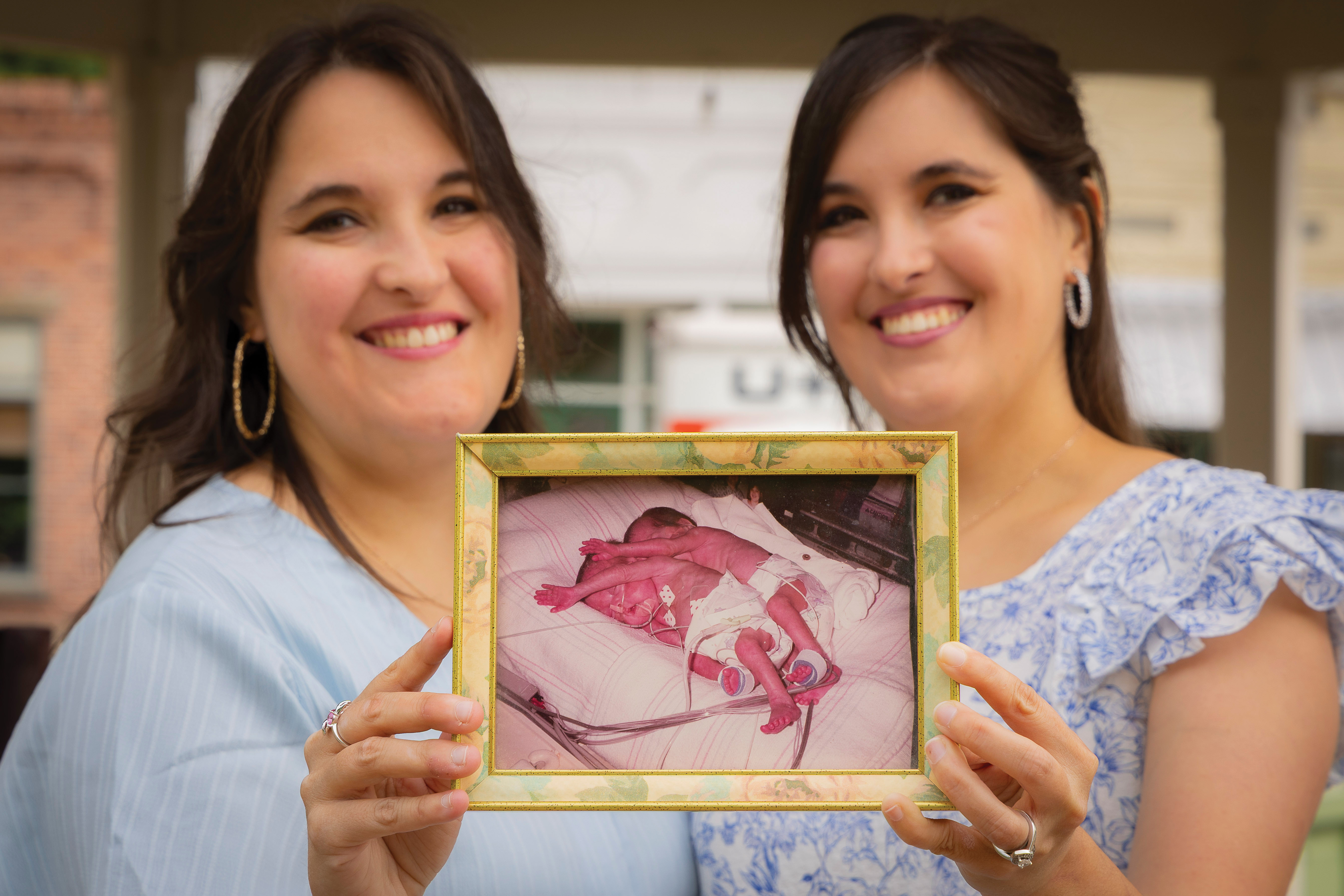
At 23 weeks of gestation, a fetus remains remarkably small. Curled up inside their mother, each of the Bentons' daughters occupied about the same space as a large grapefruit. Sheri's doctors determined that a vaginal delivery was preferable over a C-section, as it has been shown to aid in lung expansion and reduce the risk of certain respiratory issues common in micro preemies. On April 8, 1997—a full 17 weeks early—tiny Megan entered the world first. Lindsey appeared 45 minutes later, and another hour passed before Natalie was born. All three were whisked away to the Level 4 Neonatal Intensive Care Unit at Gwinnett Medical Center. Megan and Natalie weighed one pound, two ounces each, while Lindsey weighed one pound, four ounces. For perspective, all three birth weights combined totaled less than half the weight of one average full-term baby. Each of the Bentons' daughters measured 11.5 inches long. They were so early that their tiny eyes were still fused shut.

"Today, the prognosis for 23-week preemies is still uncertain, even with advances in neonatal care. In 1997, it was even scarier to deliver babies so early. The Bentons' neonatologist, Dr. Leslie Leigh, had never cared for 23-week triplets before. "He was brutally honest with us throughout the entire situation," Tim said. "Absolutely nothing was sugar-coated. It was tough to know everything that could go wrong, but we were glad he prepared us." Sadly, despite being the largest of the triplets, Lindsey lived only 10 hours. Sheri and Tim still choke up when they talk about her. "Dr. Leigh told us not to plan a funeral yet because we might be burying all three," Sheri said. Lindsey's death, however, was not in vain. "Her passing helped save Megan and Natalie," Tim said. "Their lungs were fragile, like wet tissue, and the vent was too much for them. After Lindsey died, Dr. Leigh put them on an oscillator instead. It made little puff sounds, kind of like a helicopter." The nurses also frequently rotated the babies to prevent lung injury and to ensure oxygen was distributed evenly.
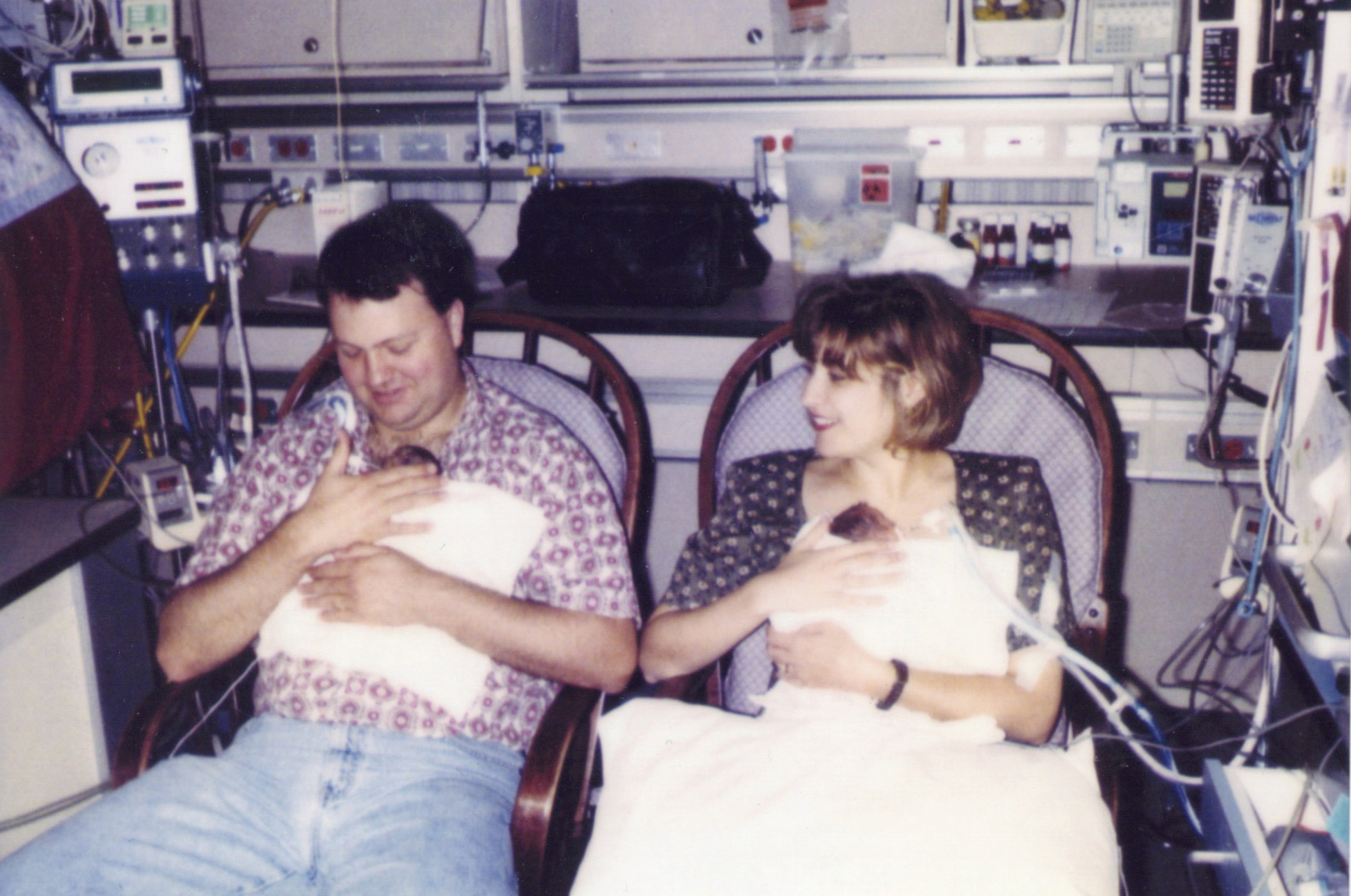
The first week was so crucial that Dr. Leigh slept at the hospital for the first five nights. Tim and Sheri settled into a routine of spending as much time as they could at the NICU, where skin-to-skin contact was encouraged as soon as the girls were strong enough to handle it. Once it was clear that the babies would survive, Dr. Leigh sat the Bentons down with documents and charts detailing from head to toe any possible complications ahead.
"He covered anything that could have happened," Tim said. "They could end up blind or deaf, with gastrointestinal problems or asthma. We appreciated his honesty, but it was a rollercoaster ride all the time."
Both girls had patent ductus arteriosus, a heart defect common in preemies. Natalie responded to medication, but Megan had to undergo surgical repair when she reached two pounds that June. Both girls experienced brain bleeds, and Megan had additional complications, including losing the top part of her ear during a blood transfusion mishap and a retinal detachment that required another surgery.
"It was a lot of tough stress," Tim said. "Talk about feeling helpless." Sheri agreed. "A lot of prayer was going on," she said. "The Lord was the only thing that got us through." The parents agreed that the NICU experience taught them how to understand the sovereignty of God. "It was all out of our hands," Tim said. Sheri started a journal for her daughters and wrote them letters regularly to document their progress. They put the sisters in the same bed on July 1 and transitioned them from ventilators to nasal cannulas. The girls were finally able to come home on Aug. 5. Their journals document that they both weighed four pounds, three ounces that day. "They were on heart monitors and lots of medicine for a year," Sheri said. "We mostly stayed home to protect them from RSV and other sicknesses."

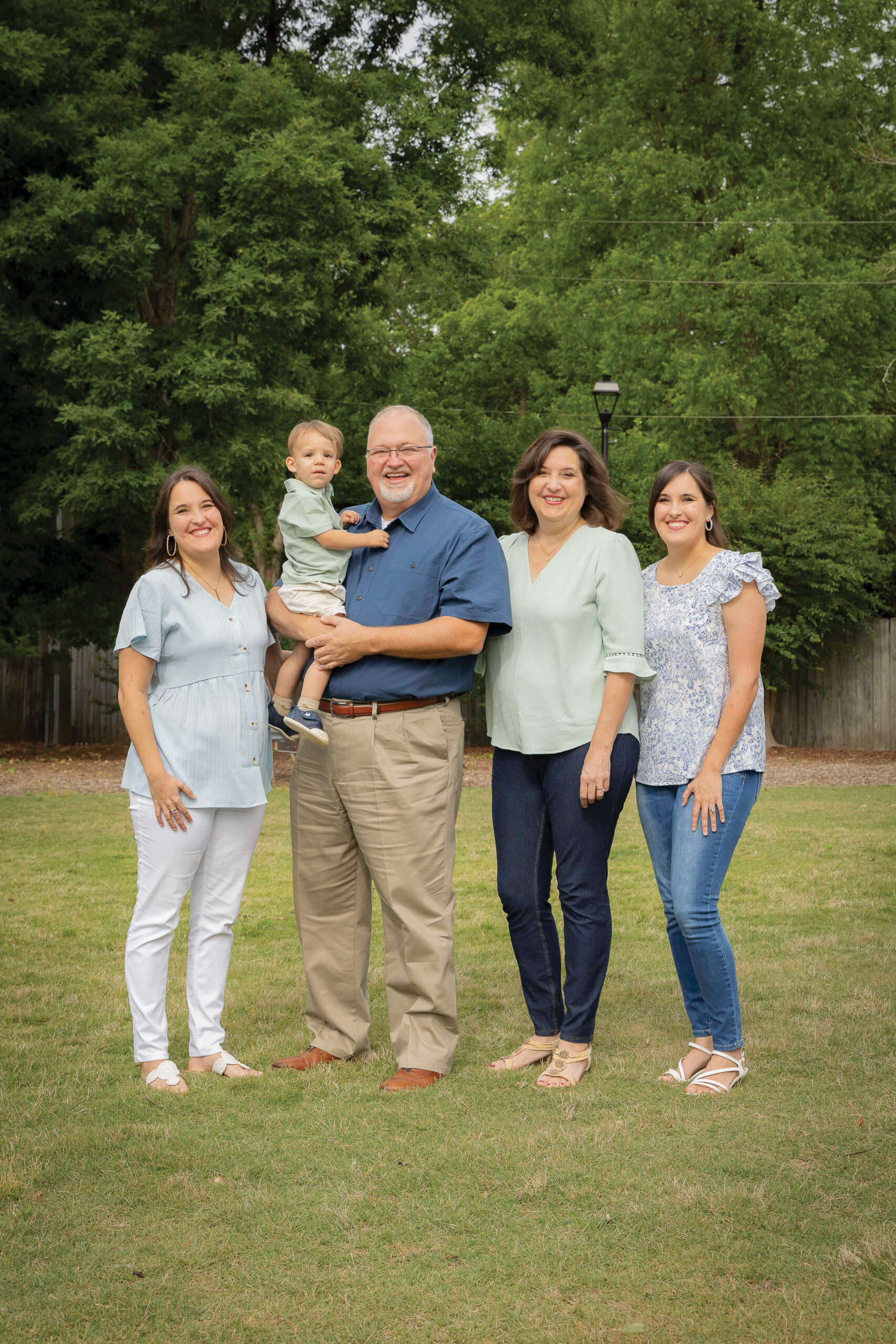
Megan's ear was rebuilt from rib cartilage when she was in kindergarten, but she still needs vision correction in the eye affected by the retinal detachment. Aside from permanent scarring on their hands and forearms from the needles and IVs they endured, the girls enjoyed remarkably good health as they grew up. Neither experienced any cognitive or intellectual disabilities that can be common in micro preemies. Natalie is now married to Carlos Jaramillo and is a stay-at-home mom to their 2-year-old son, Joshua. They are expecting a daughter this fall. Megan married Nathan Mathews and owns a cleaning service. Dr. Leigh remains in contact with the family and attended the weddings of both girls.
“The girls have always been close—ridiculously close," Tim said. "They are our miracles.”