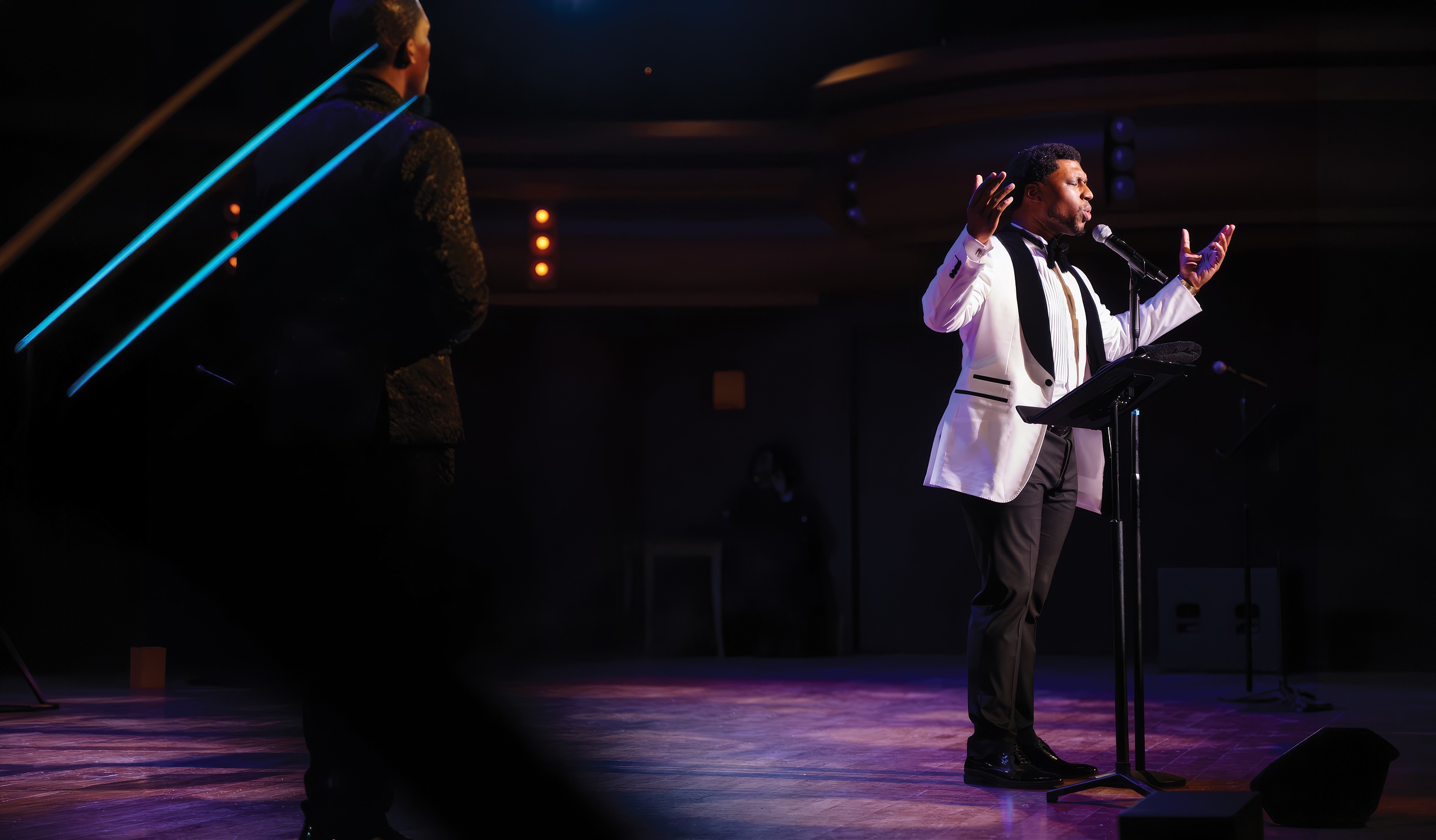
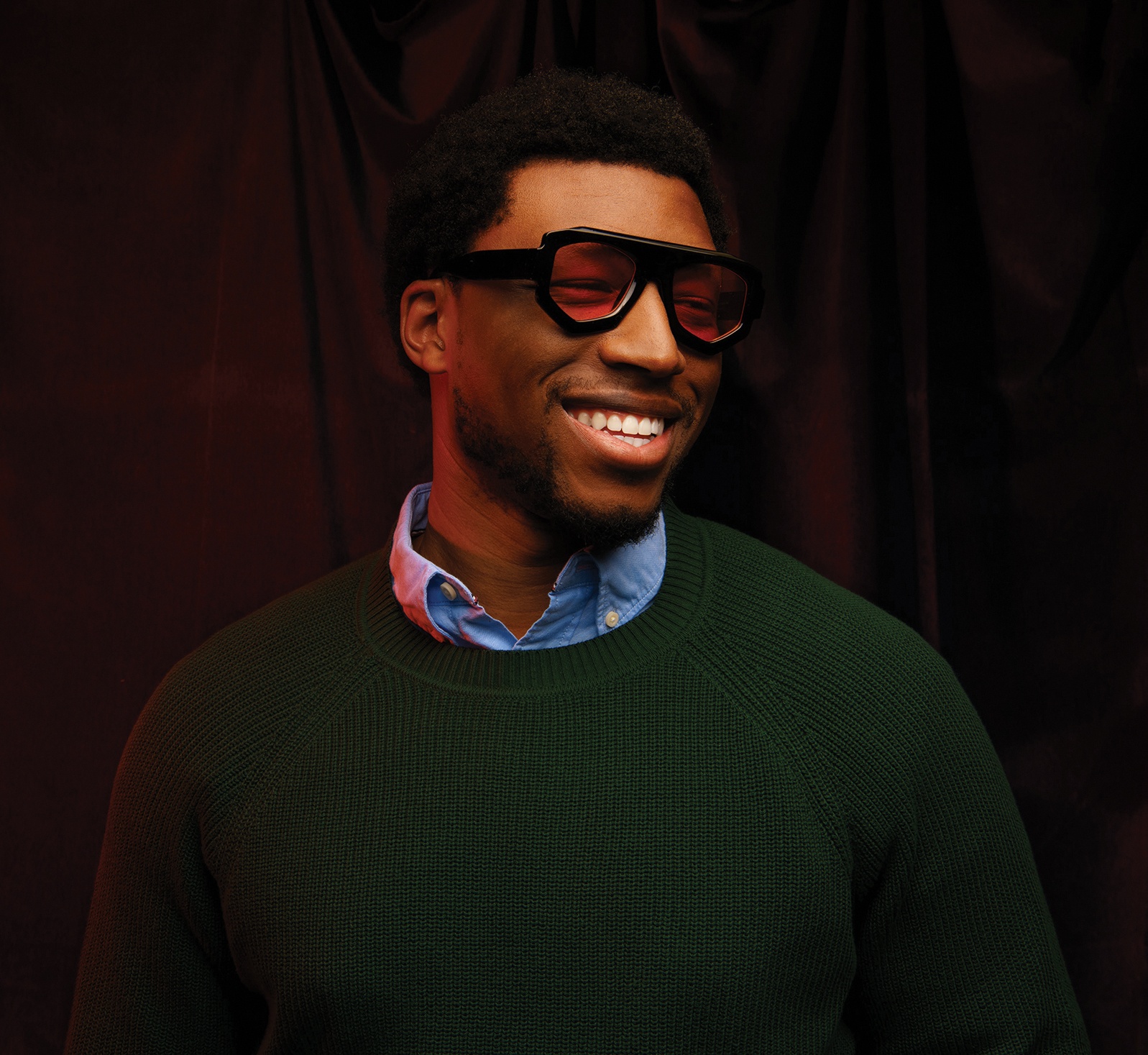
Growing up in a small town in Florida, Dr. Emorja Roberson was surrounded by music, faith and a deep commitment to community building. His musical journey began at Temple Missionary Baptist Church, a predominantly Black congregation where sacred music quickly became central to his life. Primarily self-taught through diligent practice and study, Roberson developed his musicianship at the piano, transforming a childhood curiosity into a lifelong passion. Guided by his faith and unconstrained by denominational boundaries, he found community wherever music was shared. Through that passion, he founded choirs where none existed, cultivated fellowship and leaned into his faith whenever the future seemed uncertain. His broader story emphasized creating opportunities for young people to sing, building community through music and using choir as a way to bring people together.
“I was grappling between what I wanted to do and what I knew I could do,” Roberson said.
With the support of his academic and faith communities, Roberson competed in the Negro Spiritual Scholarship Foundation’s Grady-Rayam Project during his senior year in high school. He entered a vocal performance competition and received first runner-up for the region. One of the judges was a professor at the University of North Florida in Jacksonville. That professor subsequently offered Roberson a full scholarship to UNF, which helped convince him to pursue music professionally. He expanded his vocal repertoire in classical music at North Florida, all while maintaining deep roots in gospel and sacred traditions. Roberson also performed in chamber ensembles and operas, traveled internationally to Italy and South Africa and served as a music intern in the Episcopal Church, broadening his liturgical and musical foundation beyond his Baptist upbringing.
After earning his Bachelor of Music in Vocal Performance from UNF, Roberson spent two years working for the Girl Scouts in Jacksonville, during which time he founded the Rejuvenation Gospel Choir in Middleburg, Florida. He subsequently pursued graduate studies at the University of Notre Dame, accepting a fully funded master’s program in Sacred Music and Vocal Performance. As the first African American in the program, he initially faced expectations that centered primarily on performing African American spirituals. Encouraged by a mentor to serve as a cultural ambassador, Roberson embraced the opportunity to provide rich historical and musical context for Black-sacred music.
"I was grappling between what I wanted to do and what I knew I could do." — Dr. Emorja Roberson
Driven by his commitment to pursue advanced studies only through fully funded opportunities, Roberson continued at Notre Dame through a research assistantship before transitioning into the doctoral program in Choral Conducting. Advocating for representation of the Black church tradition within ecumenical sacred music studies, he became the first African American to earn a Doctor of Musical Arts degree in Choral Conducting from Notre Dame. During his doctoral studies, Roberson curated “Unsung: The Exploration of the Sounds of Black Folk,” which celebrated jazz, gospel and hip-hop. He also premiered his doctoral project, “BE-SPOKEN,” a cross-genre oratorio that integrates sacred texts, gospel, jazz, hip-hop, spoken word and dance to address themes of racial empowerment, social justice and community healing. Roberson’s initiatives actively bridged the university with local Black churches and community organizations.
“My goal,” he said, “was to not just let them hear new music but also to help to break barriers and to help build relationships.”
Roberson moved back to the South because he wanted to be closer to his family. He shared that his aunt’s death brought a renewed awareness of the family moments he had been missing and deepened his desire to return home. That pull ultimately led him to accept a position as assistant professor of Music and African American Studies at Oxford College of Emory University, honoring, in part, his late aunt’s wish for him to be closer to family.
During his tenure at Oxford, Roberson directed the college choir and created opportunities for students to connect their musical education with the broader community. He engaged students through performances at local churches and community events, facilitated collaborations with Morehouse College and Spelman College and established initiatives centered on African American musical traditions. Roberson also led Oxford students in a historic joint performance with the Emory Symphony Orchestra. His work extended into the Newton County community, as well. During Oxford’s Martin Luther King Jr. celebrations, student ensembles performed alongside the Newton County Community Choir. Roberson directed Oxappella as part of the celebration in 2024, bringing together Oxford students, other college ensembles and community musicians.
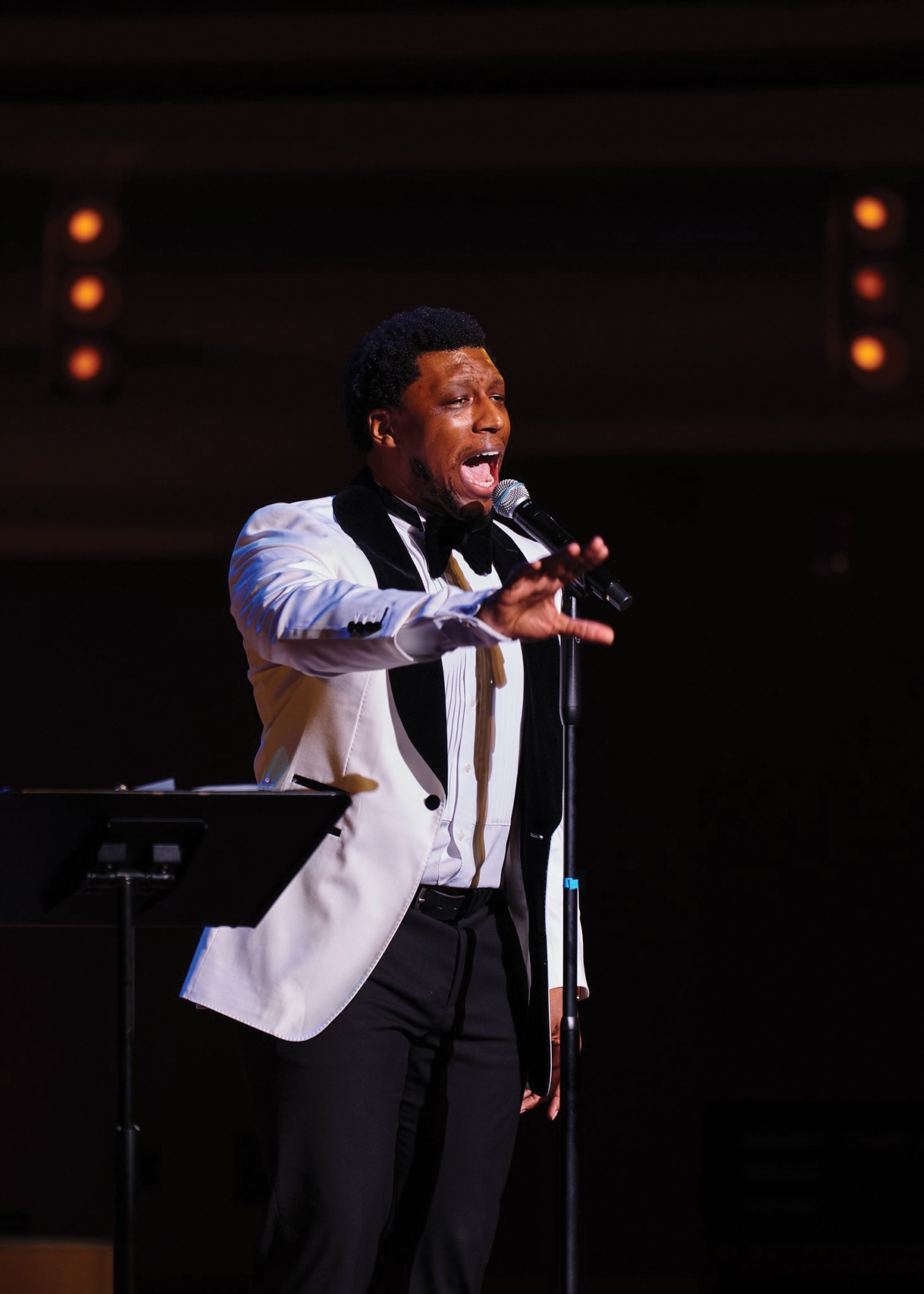
For Roberson, the work involved more than just teaching students to sing. It was about using music as a way to create relationships, expose students to cultural traditions and connect the college to the community beyond its campus. “My goal as an educator is to expose my students and amplify the rituals, the pedagogies [and] the practices of African-derived music, with a focus on the oral transmission of gospel music,” he said. At the core of Roberson’s pedagogy is a commitment to exposing students to African-derived musical heritage while demonstrating that musical training is important and that transferable leadership skills include teamwork, communication, organization and personal responsibility. Through his teaching and artistic leadership, he continues to build community and preserve Black church traditions for future generations.
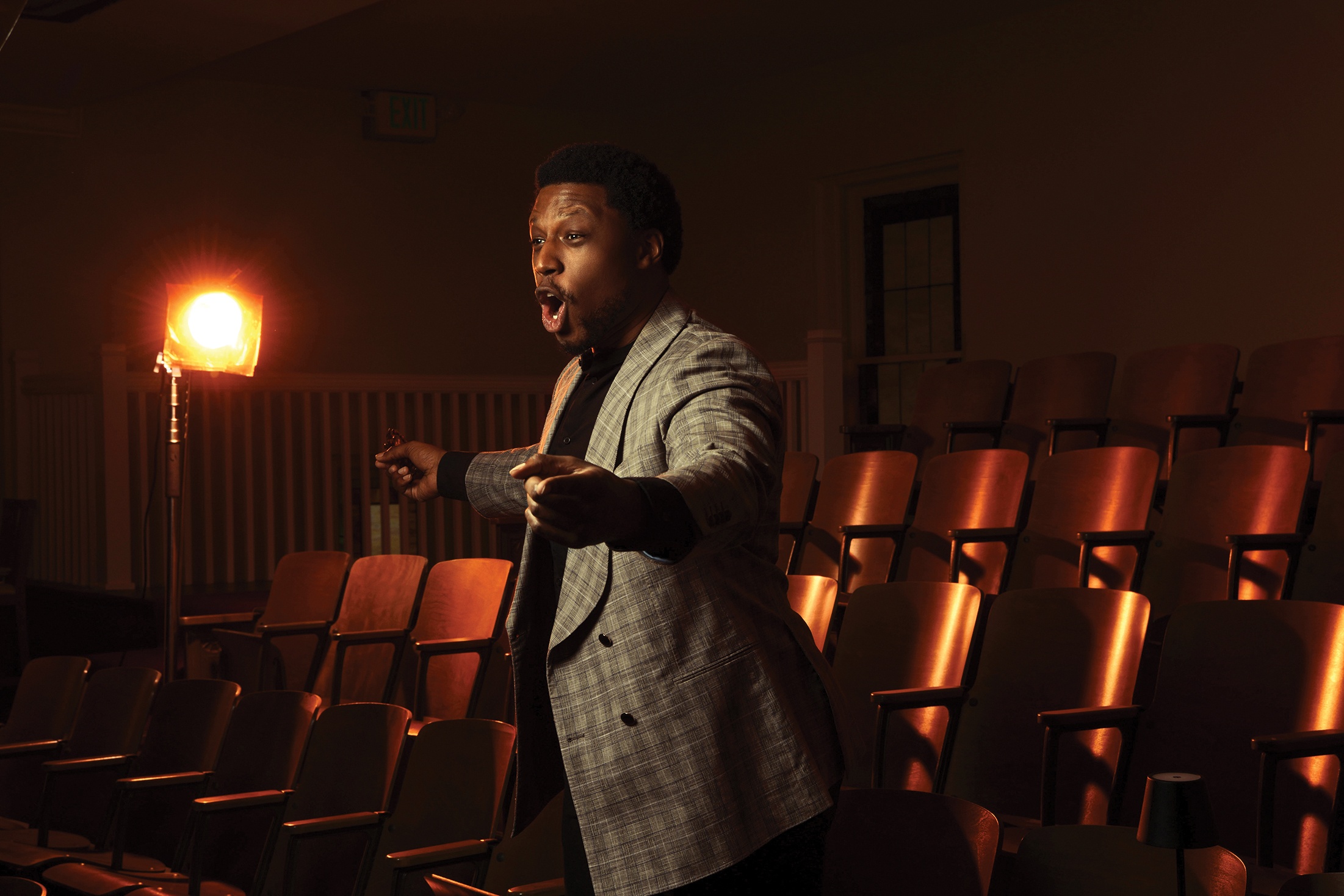
Roberson has embraced his role in higher education, claiming and incorporating cultural heritage in environments where diversity was rare. His impactful work throughout his career led to his appointment as associate professor of Music and Director of Choral Activities at Voorhees University, a historically Black university in Denmark, South Carolina. Roberson maintains ties in the Augusta area to support family and professional engagements across Georgia and South Carolina.
“Now,” he said, “I’m going to be using my degree where I’m moving from a position where it was more lecture-based, [with] the choir on the side, to where there is more choir and then do my lecture-based [teaching] on the side.”