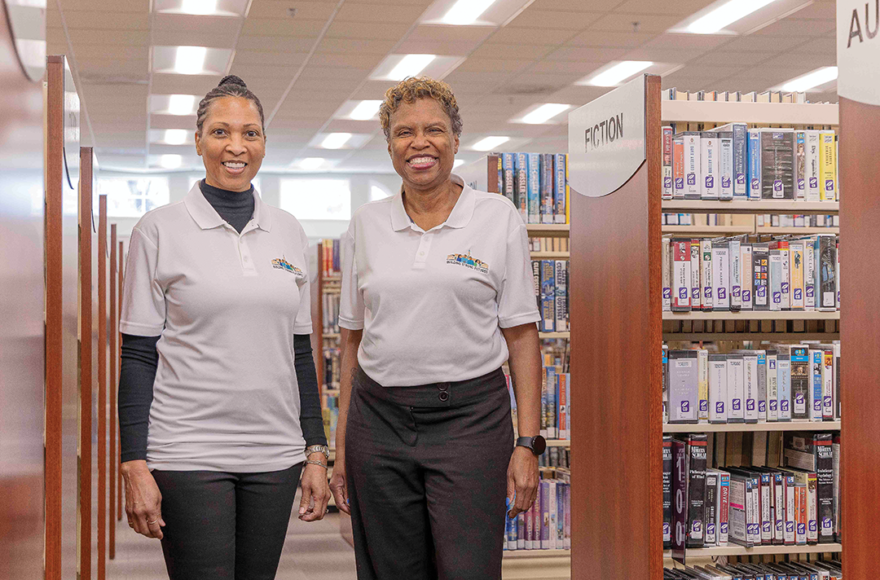
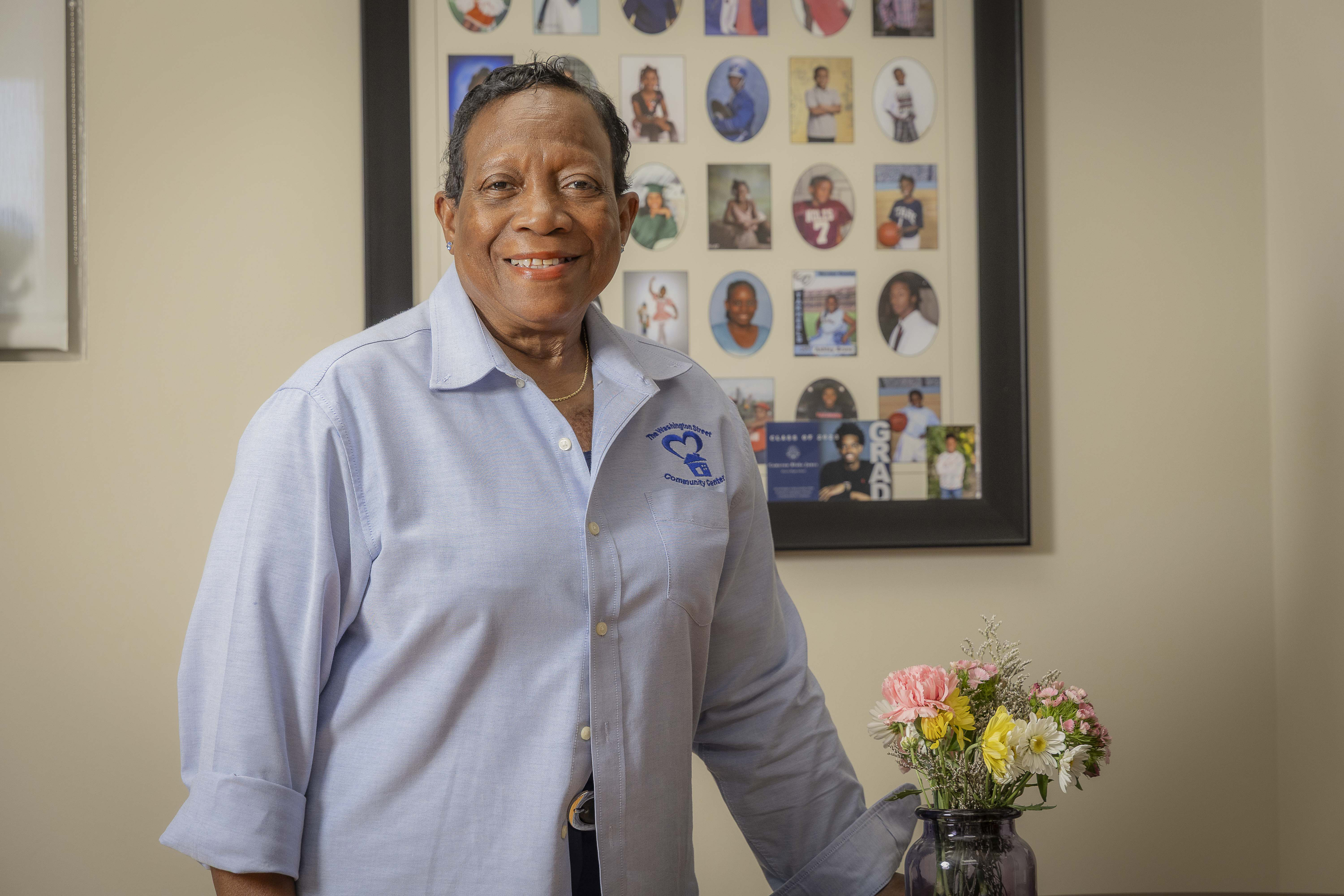
Bea Jackson held the same position as executive director of the Washinton Street Community Center for almost a quarter century, but she carries a new title as of May 31: retiree. Jackson stepped away from the center, where she served as director since 2003 and had worked with its summer camp for even longer.
"I give credit to Mrs. Louise Adams, who laid the cornerstone for an after-school program at Washington Street," Jackson said. "She was conducting an after-school program, and I learned from her techniques and how she worked with the parents and children."
Jackson and her husband, Wick, made their way to Georgia in 1978.
"I used to come to the Atlanta Stadium for an annual jazz concert, and it opened my eyes to other possibilities," said Jackson, who hails from Williamsburg, Virginia, and once worked as a news reporter for a television station near Charleston, West Virginia. "A group of friends and I who traveled decided to make Georgia our home since we thought there was more opportunities for African Americans here and it seemed more progressive."
After their move to Georgia, Jackson worked in public relations and developed programming for senior citizens through the Dekalb County Council on Aging. She later linked arms with Girl Scouts, where she received executive training and served in community development while conceptualizing outreach programs covering 21 counties in Northwest Georgia. They moved to Covington at the turn of the millennium after leaning on a real estate friend in their hunt for a good deal. The city that was situated just east of the bustling Atlanta towns in which Jackson had lived for the better part of two decades was foreign to her.
"I tried to remain as flexible as possible—and dependable. Every day was different." — Bea Jackson
“I knew absolutely nothing about it," she said. "My husband was diagnosed with a debilitating illness, so we moved here for respite and for him to heal. He loved the outdoors and animals, so we found it to be soothing.”
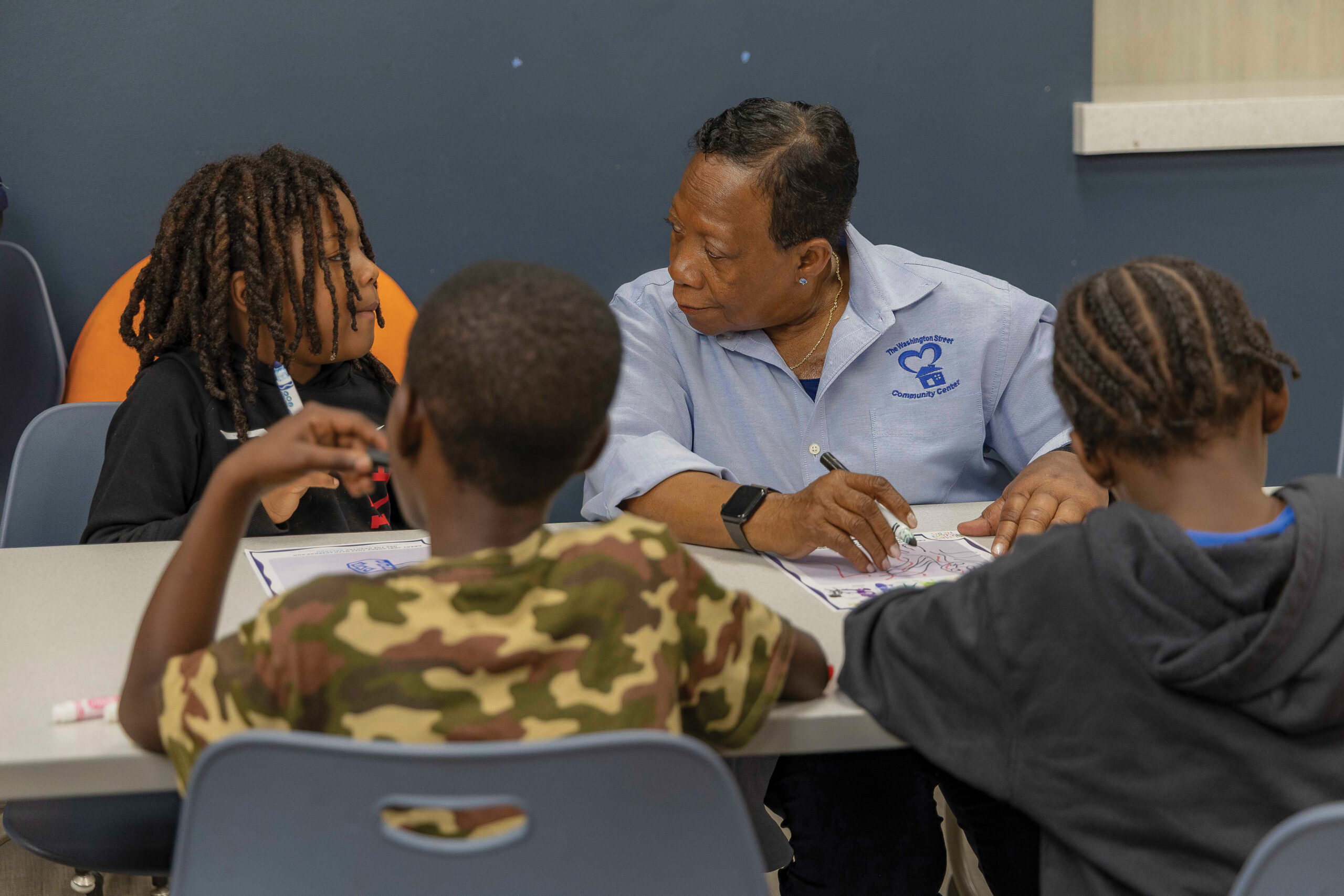
Inside a growing community, Jackson discovered the center with which she would become synonymous. It was started in 1996 to address the needs of childhood literacy, crime and high school dropouts. Jackson started working with the after-school and summer programs, partnering with local organizations like the YMCA and Newton Community Partnership to allow kids to swim, read and participate in programs they normally would not have access to on their own.
"We started out with 20 kids in the early summer days," said Jackson, who at first mainly worked with middle school students. "I just felt opportunities in Covington were limited. The kids who surrounded me were confined to Covington, and Covington didn't have a lot to offer then, so we expanded what they could do." She took students on various field trips and even took a group of them to New York. "They encouraged me to do more," Jackson said. Over the years, Jackson has continued to serve alongside her husband, who volunteered at the center despite being diagnosed with multiple sclerosis. "He is still thriving," Jackson said. "He served as a helper at Washington Street the whole time I've been here. He loved it. He's been there every step of the way. He can't walk, but he's still vibrant and the kids absolutely adored him."
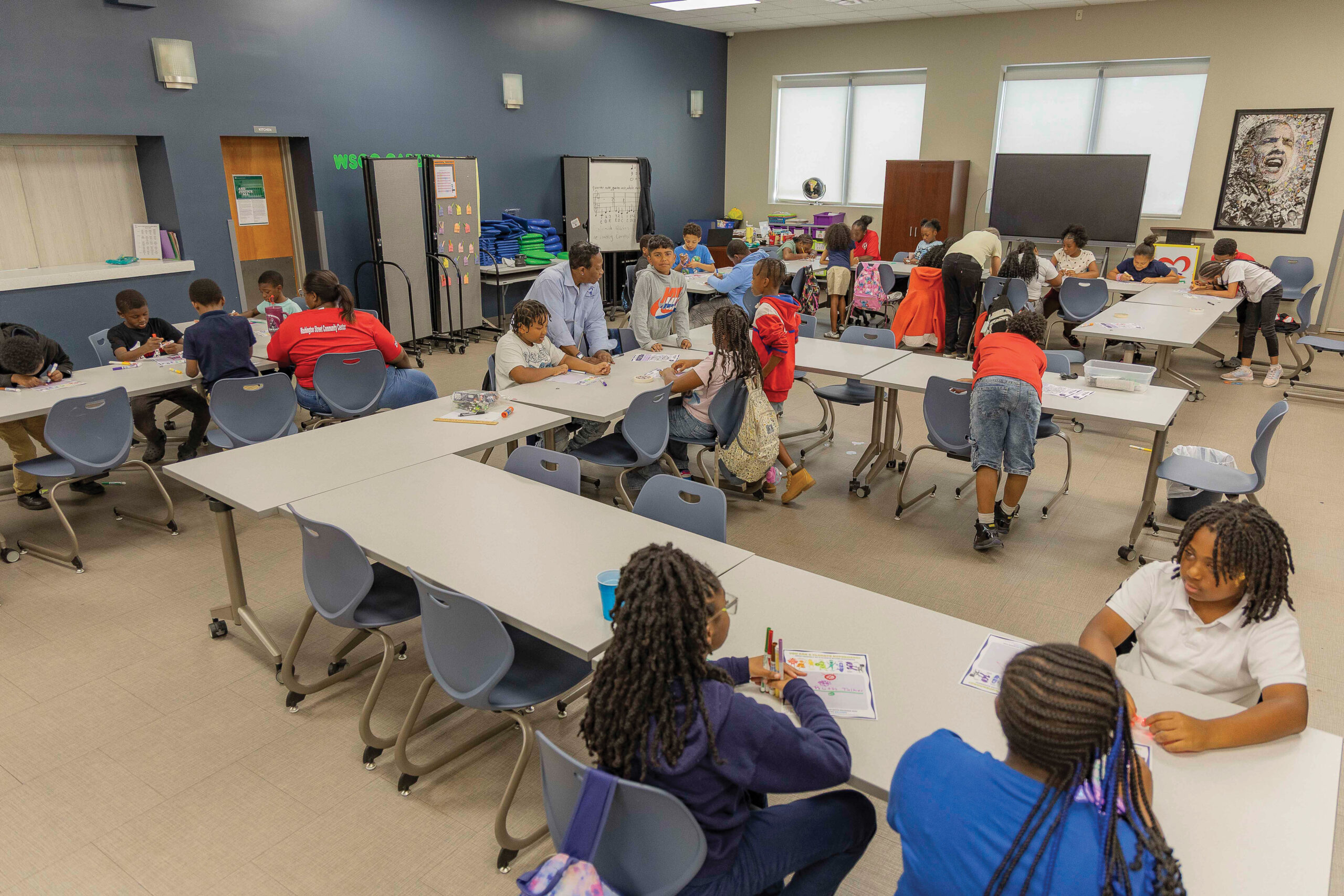
The Washington Street Community Center now serves about 50 kids per day during the school year and another group during the summer. After school, students participate in various activities like homework help, health and fitness, mentorship and a children's choir. They even tend a garden, where they harvest and upkeep fruits and vegetables that they eat and share with the community. Over the summer, students continue to participate in enrichment activities and trips.
"My hours never ended," said Jackson, who spent many days writing grants and promoting the center to business and community groups. "I tried to remain as flexible as possible—and dependable. Every day was different." She helped secure grants for technology and field trips while also engaging groups like the Newton County Chamber of Commerce and the Kiwanis Club of Covington. "I got heavily involved in the community," Jackson said. "I wanted to make sure Washington Street was in the loop."
Chamber President Debbie Harper admits Jackson will be missed.
"Bea's passion for serving others and creating opportunities has made a lasting impact on Newton County," Harper said. "She will leave a legacy in this community. Her passion for people, servant leadership and unwavering dedication to making a difference have left a lasting impact on countless lives across our community."
Jackson credits partnerships with community organizations—from Newton County Schools and the Newton County Board of Commissioners to the Newton County Recreation Department—with furthering the success of the program.
"Throughout her tenure, she helped build a strong and meaningful partnership with us, creating opportunities that enriched the lives of countless kids and families" said Kale Curtis, deputy director of Newton County Recreation Department. "Mrs. Bea's leadership, collaboration and genuine care for people made the community center a welcoming place for all, and her influence will continue to be felt for years to come."
Jackson admitted that she will miss the kids the most.
"They were what motivated me," she said. However, she does not believe the community will feel her absence all that much. "We will stay in Covington," said Jackson, a member of the Newton-UGA Archway Partnership, which collaborates with University of Georgia faculty and students to address local issues. "I'm planning on being involved in community life."